
ChlorineDioxide in Livestock Operations: Clean Water and Hygiene for Healthier Animals
Chlorinedioxide (ClO₂) is widely recognized for its effectiveness in disinfectionand water quality control across various industries. In the livestocksector, it plays a vital role in improving animal health, enhancinghygiene, and supporting performance through reliable and safe sanitationpractices. From drinking water systems to surface disinfection, chlorinedioxide offers versatile benefits in both intensive and extensive animalfarming systems.
Applicationsin Livestock Operations
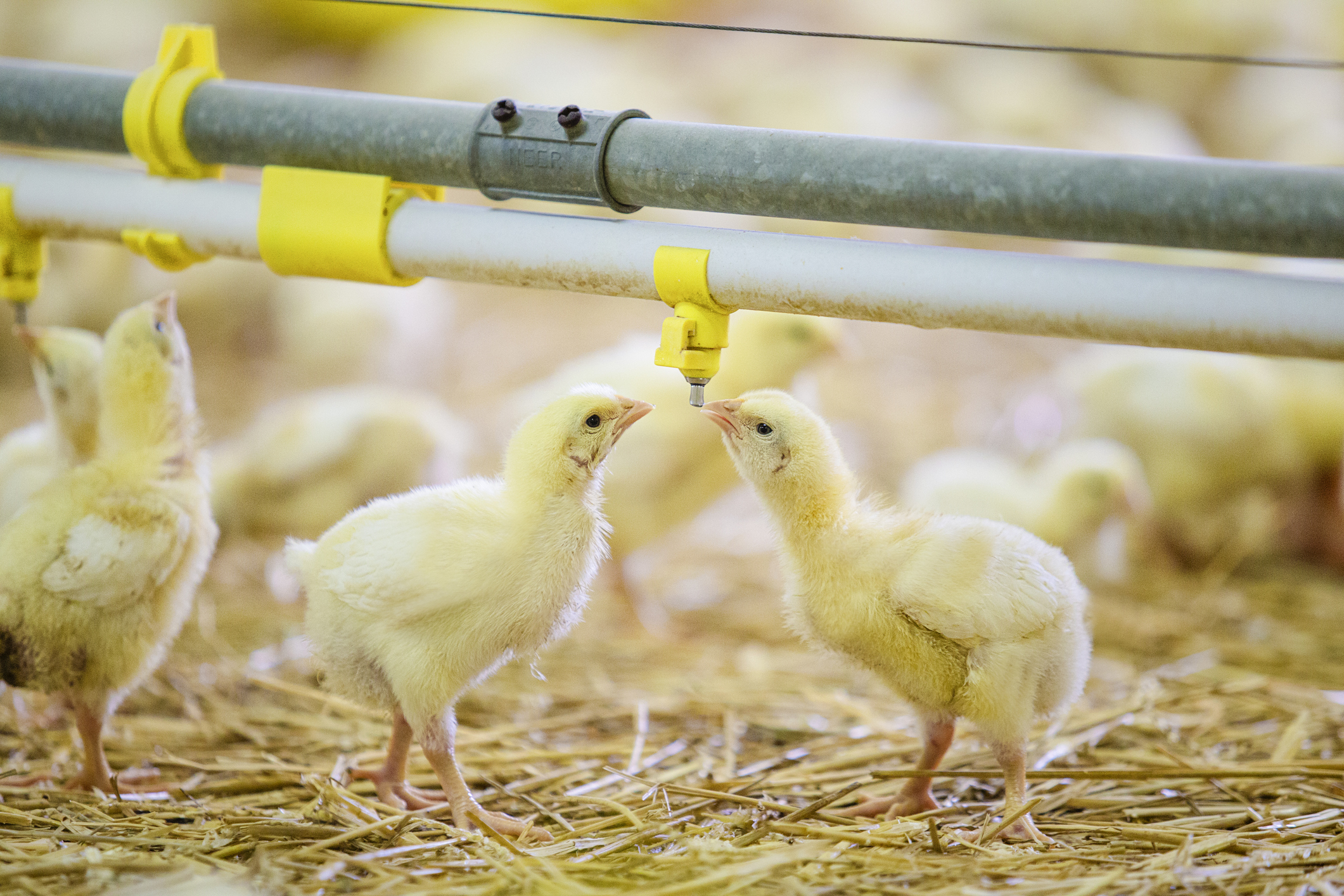
PotableWater Treatment
Cleandrinking water is essential for livestock health and productivity. Chlorinedioxide ensures safe, microbiologically controlled water by eliminatingharmful pathogens, supporting overall animal welfare and reducing the risk ofdisease.
CIP ofWater Lines
Chlorinedioxide is used for Clean-in-Place (CIP) of water lines and drinkingsystems. It removes biofilm and microbial contamination, preventingre-infection and maintaining optimal water flow to animals.
SurfaceDisinfection
Surfacessuch as feeding equipment, floors, crates, and housing facilities aredisinfected with chlorine dioxide to maintain high hygiene standards andreduce cross-contamination between animals and their environment.
WaterQuality for Water-Based Feed Mix
In manylivestock systems - particularly with young animals -a water-based feed mix orgruel is prepared by combining feed with treated water. Chlorine dioxideensures that the water used in these mixes is free from pathogens, helpingprevent early-life infections and supporting better growth.
KeyAdvantages of Chlorine Dioxide in Livestock
- Improves Animal Health and Growth Through Clean Drinking Water
Providing pathogen-free water supports healthier animals, which often results in- Improved feed conversion
- Reduction in mortality rates
- Eliminates Biofilm and Pathogens in Water Lines
ClO₂ effectively removes biofilm, preventing bacterial growth and ensuring the consistent delivery of clean water throughout the farm.
3. Reduces All Types of MicroorganismsIncluding E. coli and Enterococcus
Chlorine dioxide is effective against a wide range of microorganisms, providingbroad-spectrum microbial control in both water and surfaces.
4. Enhances Hygiene Through Effective SurfaceDisinfection Including Salmonella
Surfaces in animal housing can be safely and thoroughly disinfected, reducingpathogen load and cross-contamination risks.
- No Harmful Residues or By-Products
Unlike traditional chlorine treatments, ClO₂ does not form harmful chlorinated by-products, making it safe for animals, equipment, and the environment. - Works Effectively Across a Broad pH Range
Chlorine dioxide maintains its disinfection power across a wide pH spectrum, offering flexibility in various water qualities and farming conditions. - Prevents Disease Transmission via Water Systems
By controlling pathogens and maintaining clean pipelines, chlorine dioxide reduces the spread of disease through shared water supplies. - Supports Animal Welfare
By reducing disease risks and maintaining a cleaner environment, chlorine dioxide contributes positively to overall animal wellbeing.
Conclusion
Waterquality and hygiene are cornerstones of successful livestock farming. Chlorinedioxide provides an effective and safe solution for disinfection,biofilm control, and water treatment—directly contributing to better animalperformance and farm efficiency. Its broad application range, minimal residue,and strong microbial action make it a trusted choice for modern, responsibleanimal husbandry.

%20(1)%20(1).jpg)
%20(1).jpg)

%20(2).jpg)

.jpg)
